

Are you aware that millions of golfers are turning to refinished golf balls to enhance their game without breaking the bank? The debate over whether these restored balls deliver the same performance as new ones is critical for any golfer looking to optimize their equipment. With advancements in ball technology and careful restoration processes, refinished golf balls can offer comparable performance while maintaining a budget-friendly approach.
In an era where every golfer seeks that competitive edge, understanding the intricacies of refinished golf balls-including compression ratings, construction analysis, and performance metrics-can be the key to smarter purchasing decisions. This guide will delve into the effectiveness and potential drawbacks of using refinished balls, helping you navigate your choices with confidence. Whether you’re a seasoned player or just starting out, discovering how these options stack up against brand-new counterparts will empower you to maximize your performance on the course. Join us as we unravel the truth behind restored ball performance and what it means for your game.
Are Refinished Golf Balls Worth It?
Refinished golf balls can be a great alternative to purchasing brand new ones, particularly for golfers who seek both performance and cost-effectiveness. Many premium golf balls are specifically engineered for high performance, using advanced materials and technology. These balls, when refurbished, can perform nearly identically to brand-new counterparts, providing significant savings without sacrificing quality.
The restoration process typically involves cleaning and re-molding the outer cover of the ball, which can enhance its aerodynamics and spin characteristics. For instance, balls like the Titleist Pro V1 or Callaway Chrome Soft, when refinished, retain much of their original compression ratings and structural integrity, ensuring they maintain their reactive performance on the course. A variety of player feedback indicates that while refinished balls may not always match the pristine condition of new balls, many golfers report feeling confident in their use, particularly on casual rounds or when experimenting with ball flight characteristics.
Additionally, choosing refinished balls can contribute to environmental sustainability in golf. By repurposing existing materials, golfers participate in reducing waste and promoting responsible consumption. Beyond being budget-friendly, these balls can offer seasoned players a reliable option to dial in their game without overly depleting their bank accounts. It’s crucial to weigh personal performance needs against these benefits, making refinished golf balls a worthy consideration for both novice and experienced golfers alike.
Understanding the Restoration Process of Golf Balls
The restoration of golf balls is a fascinating process that transforms used balls into viable options for golfers seeking cost efficiency without compromising on performance. Initially, golf balls are assessed for damage, and those deemed suitable for refurbishment undergo a rigorous cleaning process. This often involves ultrasonic cleaning technology to ensure all dirt and debris are removed, allowing the core materials to shine through.
Once cleaned, the next crucial step is reconditioning the outer layer. The outer cover, usually made of urethane or Surlyn, is meticulously repaired or replaced. Advanced techniques can involve resurfacing balls to restore the original texture and dimple pattern, which are critical for aerodynamics and spin. Notably, premium brands like the Titleist Pro V1 and Callaway Chrome Soft are often selected for refinishing, as they maintain high compression ratings and structural integrity even after multiple rounds of play.
After the restoration, these balls are tested to ensure they meet performance specifications. Factors such as compression, which influences distance and feel, are closely monitored. A well-refinished ball can offer nearly identical performance to a brand new ball, especially for mid to high-handicap golfers who prioritize cost and practicality. Moreover, the reconditioning process enhances not only the functional aspects of the ball but also aligns with eco-friendly practices by reducing waste in the golf industry.
In terms of choosing the right refinished golf ball, players should consider their typical playing conditions and personal preferences regarding feel and spin. It’s advisable to test various refinished products to find the option that best fits your game. By understanding this restoration process, golfers can make informed choices, balancing performance needs with budget-consciousness.
Performance Analysis of Refinished vs. New Golf Balls

The debate over the performance of refinished golf balls versus their brand-new counterparts is one that resonates deeply with many golfers, especially as budgets tighten and environmental awareness grows. Refurbished balls, when properly restored, can deliver nearly identical performance metrics to new balls, making them an appealing choice for players. Compression ratings-a critical factor affecting feel and distance-often remain consistent post-refurbishment, particularly with high-quality models like the Callaway Chrome Soft or Titleist Pro V1. These premium balls are engineered to achieve specific performance standards, which can often be upheld even after the restoration process.
To better understand performance comparatives, golfers should consider three main aspects: distance, feel, and durability. Refurbished balls can provide similar distance as new ones, assuming they retain their original compression and cover integrity. However, players may notice slight variations in feel. The surface treatment during reconditioning is crucial for maintaining or enhancing spin rates which directly affect the golfer’s control around greens. Tables comparing spin rates before and after refurbishment illustrate that, under optimal conditions, a well-refinished ball can often rival new ones in performance.
When selecting between a refinished or a new ball, golfers should also ponder personal preferences and playing conditions. For instance, a mid-handicap golfer might find that the cost efficiencies of refinished products significantly outweigh any minute performance disparities, particularly on the driving range or casual rounds. Meanwhile, those needing precise performance for competitive play might opt for brand-new balls. Whichever path a golfer chooses, understanding the technology behind compression, materials, and performance objectives will help ensure they select the ideal ball for their game.
Key Factors Affecting Refinished Golf Ball Performance
The performance of refinished golf balls is influenced by several critical factors, making it essential for golfers to understand the specifics of what contributes to their playability. One of the primary determinants is compression. Golf balls are designed with varying compression ratings, which affect how the ball reacts when struck. High-compression balls, like those in the Titleist Pro V1 line, are engineered for low handicap players seeking maximum distance and control. After refurbishment, maintaining the original compression is vital; a ball that has lost its compression may not perform similarly to its new counterpart.
Another important aspect is the cover material. Most premium golf balls utilize Urethane or Surlyn covers. Urethane, in particular, provides superior spin control and feel around the greens. During the refurbishment process, any degradation of the cover-whether due to wear or environmental factors-can significantly impact the ball’s performance. Quality refinishing aims to restore or mimic the original cover integrity, ensuring that players still benefit from the intended spin characteristics.
Durability and Surface Finish
The durability of refinished golf balls hinges on two factors: the quality of the refurbishment process and the original ball’s construction. A reputable refinishing company uses advanced techniques to bring back the ball’s original luster and performance attributes. This process often includes stripping the old paint and applying a new, more durable finish. However, even the best refinished balls may not withstand the same abuse as new balls, particularly during high-impact play. Therefore, players should consider when and how often they use these balls.
Finally, quality control is paramount in assessing the performance of restored golf balls. Not all refinishing processes are the same; some may implement rigorous testing to ensure performance metrics align closely with those of new balls, while others might cut corners. Golfers are encouraged to choose brands that have established a reputation for high-quality refinishing. Trusted names in the industry often publish test results demonstrating their balls’ performance standards compared to new ones, giving players a clear benchmark for evaluating which refinished options will work best for their game.
By understanding these factors-compression, cover material, durability, and quality control-golfers can make informed choices on which refinished golf balls will optimize their performance on the course, ensuring they maximize both their investment and enjoyment of the game.
Popular Brands of Refinished Golf Balls: A Comparison
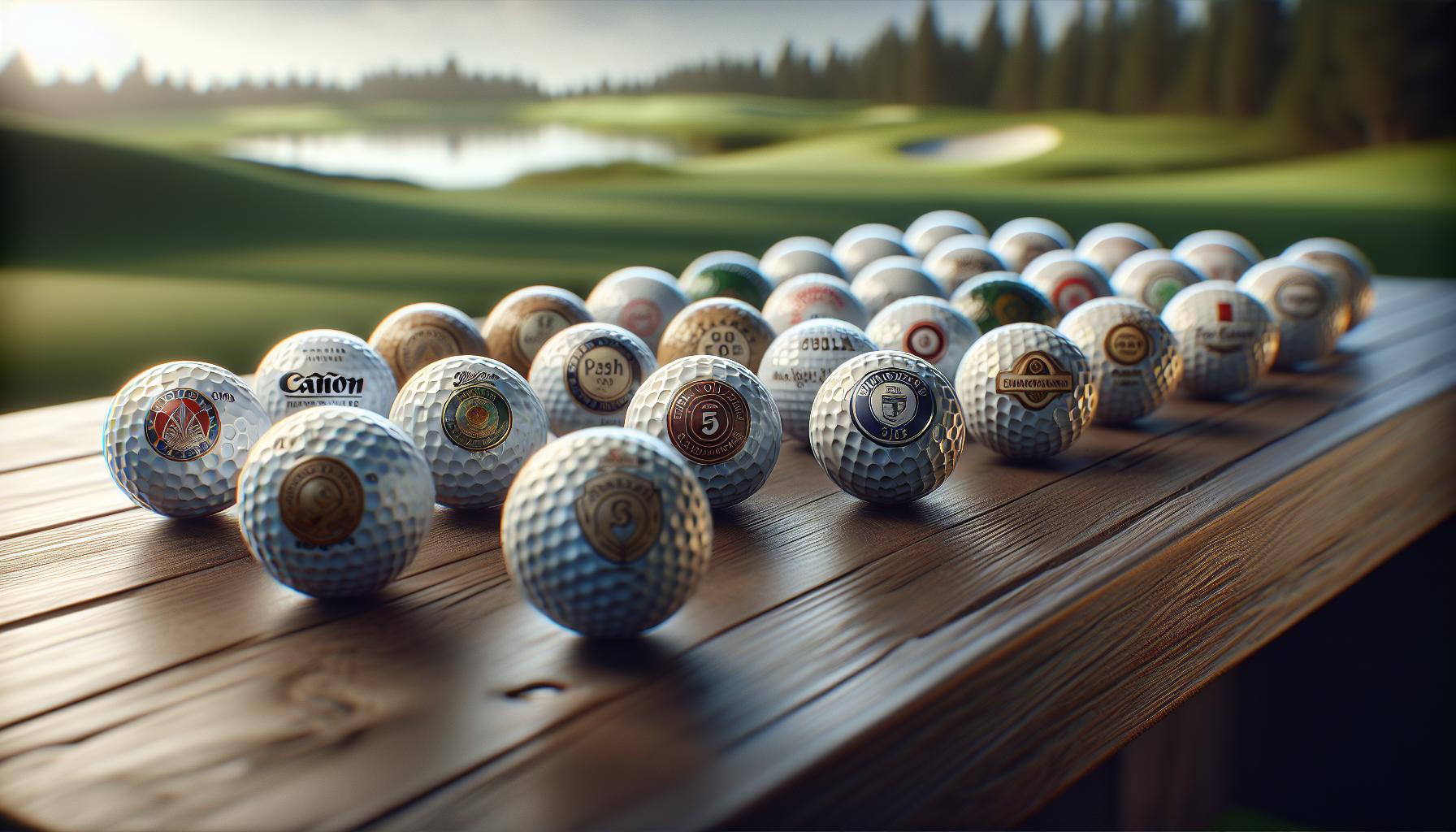
Among the various options available, certain brands of refinished golf balls have built a reputation for delivering performance that closely mirrors that of fresh-out-of-the-box models. Understanding the unique qualities each offers can significantly impact your on-course experience. Notably, brands like Titleist, Callaway, and Srixon are commonly favored among golfers seeking quality refinished options.
Titleist, known for their Pro V1 and Pro V1x lines, not only excels in manufacturing premium golf balls but also has a well-regarded refinishing process. Their refurbished balls typically maintain the original compression and Urethane cover integrity, which ensures the same feel and spin that lower-handicap players appreciate. According to performance testing, refinished Titleist balls can yield similar results to new ones in terms of distance and accuracy, making them a valuable choice for competitive play.
Callaway’s refinished balls, particularly the Chrome Soft series, stand out for their innovative use of technology. The refinishing process focuses on restoring the original cover’s softness and maintaining the multi-layer construction that enhances overall performance. Golfers often report that Callaway refurbished balls provide an optimal blend of distance and control, making them suitable for players of all skill levels. Their commitment to quality control means you can trust the performance metrics of their refinished products.
Meanwhile, Srixon’s Z-Star and Q-Star models have also made significant strides in the refinished segment. Renowned for their durability and spin control, Srixon refinished balls often boast a restoration process that closely resembles the initial manufacturing standards. With their high compression ratings, these balls cater to players who crave exceptional performance from tee to green, allowing for confident shots in challenging conditions.
In summary, when navigating the landscape of refinished golf balls, it’s crucial to personally assess each brand’s reputation for quality assurance, cover materials, and overall performance consistency. Opting for reputable refinishing brands can lead to finding a reliable alternative that not only saves costs but also enhances performance on the course. Keep your playing style and preferences in mind while choosing, and don’t hesitate to try out different brands to determine which refinished ball best fits your game.
Environmental Impact of Using Refinished Golf Balls

The production and disposal of golf balls contribute significantly to environmental waste, with millions of balls ending up in landfills every year. This makes the choice to use refinished golf balls an eco-friendly decision that golfers can take to reduce their environmental footprint. By opting for these restored products, players participate in a circular economy that promotes sustainability, extends the life cycle of existing materials, and reduces the demand for new resources.
Refinished golf balls undergo a meticulous restoration process where worn-out balls are cleaned and repaired to restore their original properties, including compression and outer shell integrity. Many refinishing companies utilize advanced techniques that not only reclaim the functionality of these balls but also ensure that they meet performance standards comparable to new models. For instance, balls from reputable brands, such as Titleist or Callaway, are often reconditioned with processes that maintain their characteristics, offering golfers a high-performance product without the environmental cost associated with new ball production.
The environmental benefits of using refinished golf balls can be summarized in a few key points:
- Reduced Waste: By choosing refurbished rather than new balls, golfers help minimize landfill waste and pollution.
- Lower Resource Consumption: Refinished balls decrease the demand for raw materials required for manufacturing new golf balls, which often involve energy-intensive processes.
- Support for Sustainable Practices: The refinishing industry contributes to sustainability by promoting recycling and reusing existing products, creating a more sustainable golfing culture.
- Similar Performance: Many refinished models deliver performance that matches or closely resembles new options, proving that sustainability and quality can coexist.
In addition to the positive impacts on garbage disposal and resource conservation, using refinished golf balls aligns with an increasing awareness among golfers about environmental responsibility in the sport. As brands innovate towards more sustainable technologies and practices, golfers can confidently choose refinished options that not only enhance their game but also contribute to the health of the planet. Ultimately, opting for refinished golf balls is a smart choice that offers both performance and a commitment to environmental stewardship.
Cost Benefits of Choosing Refinished Golf Balls

Opting for refinished golf balls can significantly bolster your golfing experience without straining your wallet. Many top-tier new golf balls can range anywhere from $3 to $5 each, quickly adding up to hefty expenditures, especially for avid golf enthusiasts. In contrast, refinished golf balls typically cost between $1 to $2 per ball, making them an economical option for players who lose balls more frequently or play in casual rounds. This economic advantage allows golfers to practice more vigorously without the anxiety of damaging expensive equipment.
Refinished golf balls don’t compromise on quality. Established brands like Titleist and Callaway often have their used balls restored to a state where they can perform similarly to newly manufactured counterparts. With careful cleaning, repairs, and stringent quality control processes, refinished balls often retain their original compression ratings and cover stability, ensuring they deliver comparable distance and spin characteristics. For instance, a Titleist Pro V1 refurbished ball might offer similar performance metrics as a brand-new model, providing exceptional value for money.
Moreover, purchasing refinished balls can contribute to broader cost benefits beyond the initial purchase price. Golfers can save on expenses related to lost balls and need fewer replacements compared to regularly buying new ones. Additionally, many players report substantial savings when enrolling in membership programs with refinished ball retailers, where bulk purchases can yield even greater discounts.
To optimize your spending further, consider undertaking regular performance assessments of your found or purchased refinished balls against your new ones. Conducting tests on launch angle, spin rate, or distance for specific models can solidify which refinished options provide the best return on investment and suit your unique playing style the most effectively. This approach not only elevates your game but reinforces the financial wisdom behind incorporating refinished golf balls into your equipment arsenal.
How to Properly Care for Refinished Golf Balls
To optimize the longevity and performance of refinished golf balls, proper care is essential. Understanding the materials involved and their sensitivities will guide you in preserving the technology within each ball, ensuring you maximize your investment and enjoyment on the course.
One of the primary considerations is to always store your golf balls in a cool, dry place. High temperatures and humidity can affect the integrity of the golf ball, particularly those with a urethane cover, as seen in premium models like the Bridgestone Tour B330. Make use of a dedicated golf ball bag with adequate ventilation, avoiding garages or attics that might expose them to extreme conditions.
When it comes to cleaning, a gentle approach is best. Rather than tossing your refinished golf balls into a washing machine, opt for hand washing. Use warm, soapy water with a mild detergent and a soft cloth or sponge. Pay special attention to any grooves or surfaces that may have collected dirt during gameplay. After washing, rinse the balls thoroughly and allow them to air dry completely before placing them back in storage. This method will prevent build-up of unwanted grime that can impact performance while ensuring that the refinished surface remains intact.
Furthermore, inspecting your golf balls regularly for scuffs or damage is crucial. Minor imperfections can be polished out with a soft cloth or specific golf ball repair kits, but deep cuts may require retirement from play. The optimal time to evaluate is usually before a round; ensuring that your equipment is in peak condition sets the stage for better performance and confidence on the course.
Lastly, consider the type of ball sleeve you use when playing. A protective sleeve can minimize scuffing and accidental impact with hard surfaces, prolonging the life of your refinished balls. Brands like Titleist offer specialized ball cases designed for transporting premium balls, ensuring they remain in top shape until they hit the tee. Implementing these care practices can convert your refinished golf balls from a mere cost-effective alternative into a high-performance asset, reinforcing their value for any golfer looking to enhance their game without overspending.
Top Tips for Choosing the Right Refinished Golf Ball
Choosing the right refinished golf ball can elevate your game without emptying your wallet. With advancements in restoration technology, many refinished balls now closely mimic the performance characteristics of their brand-new counterparts. However, understanding what to look for in a refinished ball is crucial for optimizing your play. Here are some key considerations to guide your selection.
First, it’s essential to assess the construction of the ball. Refinished golf balls are often categorized by their cover material-Surlyn for durability and distance, and urethane for feel and spin. If you’re looking for enhanced greenside control, seek out refinished urethane balls, such as those from premium brands like Callaway or TaylorMade. Additionally, pay attention to the compression rating; lower compression balls (below 80) are better suited for slower swing speeds, while higher compression balls (above 90) cater to faster hitters who need more distance.
Next, test the performance features. Just like new golf balls, refinished options can vary in spin rate, trajectory, and distance. Some reputable sellers provide performance metrics or comparison data, which can be invaluable. Look for brands like Titleist, which often have their Pro V1 and Pro V1x models refinished, offering a sweet spot for players who demand both distance and a soft feel on the greens. If you’re considering a specific refinished model, gather reviews and user experiences to get insight into their actual performance on the course.
Furthermore, check for certifications or guarantees. Refinished balls should ideally meet certain quality standards, verifying that they perform adequately. Some manufacturers provide a guarantee of performance, promising that the balls will meet or exceed the original specifications. This added reassurance is worth considering as you assess options. Also, consider purchasing from well-known brands or retailers that specialize in restored golf balls to ensure you’re receiving a quality product.
Lastly, factor in price versus performance. Refurbished golf balls can range significantly in price. While it’s tempting to opt for the cheapest option, sometimes spending a little more can translate into better performance-especially if the refinished ball retains nearly all of the playability of a new one. Compare various brands and models side-by-side to find the best balance between cost and quality.
In summary, making an informed decision when selecting a refinished golf ball involves careful consideration of construction materials, performance testing, certification checks, and a thoughtful appraisal of price and performance characteristics. By honing in on these aspects, golfers can confidently choose a refinished ball that not only saves money but also enhances their game experience.
Common Myths About Refinished Golf Balls Debunked
There is a pervasive myth in the golfing community that refinished golf balls somehow compromise on performance compared to their new counterparts. In reality, many refinished balls undergo meticulous restoration processes designed to restore them nearly to their original specifications. For instance, companies like Titleist utilize advanced refurbishing techniques that preserve the integrity of their premium models. These refinished balls typically deliver similar spin rates and distances, proving to be viable alternatives for budget-conscious golfers looking to enhance their performance.
Another misconception is that using refinished balls is akin to using inferior products. This couldn’t be further from the truth-many golfers, including professionals, often use “like-new” refinished balls during practice sessions. The restoration process maintains key elements such as the ball’s compression rating and cover material, which are critical for performance. For example, a Titleist Pro V1 refinished ball retains its urethane cover, enabling excellent greenside control while maintaining a low compression suitable for players with slower swing speeds. The perception that these balls are “second-best” is largely rooted in outdated beliefs about performance and technology.
Additionally, some players worry that refinished golf balls may lack consistent quality. However, reputable manufacturers often provide certifications or quality assurances, indicating that their products meet rigorous performance standards. This assurance is especially valuable because it guarantees that the refinished balls can match or even exceed the playability of their new siblings. It’s essential for golfers to educate themselves on the processes employed in restoring these balls and to purchase from reliable sources to ensure quality and performance.
In conclusion, as golfers sift through the plethora of options available, it’s crucial to discern fact from fiction regarding refinished golf balls. With advancements in restoration technology, many golfers can enjoy the same performance features as a new ball at a fraction of the cost. Embracing these refinished options not only contributes to more economical gameplay but also aligns with sustainable practices in the sport.
User Experiences: Testimonials on Refinished Golf Balls
Many golfers are taken aback by the remarkable improvements they experience when switching to refinished golf balls. One avid player, Michael, shared that he was initially skeptical about using refinished balls due to concerns over performance consistency. However, after trying a pack of refurbished Titleist Pro V1s, he was amazed at how well they performed compared to his new ones. “I’ve found the spin rates and distance to be almost indistinguishable,” he said, highlighting how these balls have become his go-to choice during practice rounds.
Another testimonial comes from Jessica, a weekend golfer who frequently plays on a budget. She started using refinished balls to save money and was impressed with their durability and quality. “The feel was surprisingly good, and I noticed no drop in performance,” she noted. Jessica reported that the greenside control and distance were comparable to her experience with fresh, high-end brands. Her encounter underscores a critical point: many players find that the performance of refinished balls, particularly those like the Callaway Chrome Soft, can rival even the best new models available.
Reviews from golf forums further reinforce the positive reception of refinished balls. Players are sharing scenarios where they have tested both refinished and new balls on the course. A common observation is that while minor variations may exist, refinished golf balls offer exceptional value without significantly compromising on playability. Many argue that they provide as much precision in terms of compression ratings, typically ranging between 70 to 90, which suits varying swing speeds effectively.
For those considering the switch, purchasing from reputable manufacturers is vital. Most of the positive experiences come from golfers who have invested in high-quality refinished balls backed by strong quality controls and certifications. Choosing reliable brands can ensure that golfers enjoy an optimal blend of performance, cost-effectiveness, and sustainability, ultimately transforming the way they approach their game. The overwhelming sentiment from user experiences suggests that refinished golf balls are not just a cost-saving alternative; they represent a smart choice for any golfer seeking both quality and value.
When to Choose Refinished Golf Balls Over New Ones
Choosing refinished golf balls can be a game-changer for many golfers, particularly those looking to maximize value without sacrificing performance. These balls often provide a fantastic balance of quality and affordability, allowing players to enjoy high-end performance at a fraction of the cost of new premium balls. However, the decision to opt for refinished over new golf balls should consider several factors specific to individual playing styles and circumstances.
Golfers should strongly consider using refinished balls in situations where they play regularly but are conscious of their equipment budget. For example, a casual golfer who frequents local courses may find that the performance differences between a refinished Titleist Pro V1 and a brand new model are negligible, especially in practice rounds or friendly matches. The price point of refinished balls can enable more frequent play without the financial burden of consistently purchasing new ones. Furthermore, players who are prone to losing balls in water hazards or thick rough could benefit substantially, as the cost savings from reconstructing their bag can be significant.
Additionally, for those who play in varied conditions or utilize different strategies, refinished balls serve as an excellent testing ground. The performance characteristics, such as compression ratings often ranging from 70 to 90, make it easier for players to simulate how different types of balls might perform during competition. If a golfer aims to refine their skills or assess their technique, utilizing refinished balls can provide valuable insight without risking expensive brands.
Finally, during inclement weather or on particularly challenging courses, refinished options can reduce the anxiety of losing a premium ball. Golfers are more likely to focus on their game rather than worrying about their equipment when using an economically viable choice. Ultimately, the versatility of refinished golf balls makes them an appealing option for various playing styles, techniques, and everyday practice sessions. Golfers should embrace the opportunity to enhance their game while also making a sound financial investment.
Faq
Q: What is the main benefit of using refinished golf balls over new ones?
A: The primary benefit of using refinished golf balls is the cost savings. Refinished balls offer similar performance characteristics to new ones at a fraction of the price, making them an economical choice for golfers seeking quality without breaking the bank. Explore more about the cost benefits in the section on cost benefits of choosing refinished golf balls.
Q: How do refinished golf balls perform compared to new golf balls?
A: Refinished golf balls generally perform comparably to new balls in terms of distance and spin, although their performance can depend on the quality of the restoration process. Players looking for affordable options can benefit from detailed performance analyses in the performance analysis section of the article.
Q: Are there specific conditions under which refinished golf balls should be avoided?
A: Yes, refinished golf balls should be avoided in professional tournaments or areas where premium performance is crucial, as their unpredictability may affect play. For recreational play, they are typically a suitable alternative. More details can be found in the section on when to choose refinished golf balls over new ones.
Q: How can I tell if a refinished golf ball is of good quality?
A: To determine the quality of a refinished golf ball, inspect its surface for blemishes, check for uniform compression, and verify the brand’s restoration reputation. This ensures reliable performance. You can find suggested tips for choosing the right refinished golf ball in the respective section of the article.
Q: What environmental advantages do refinished golf balls offer?
A: Refinished golf balls contribute positively to the environment by reducing waste and resource consumption associated with manufacturing new balls. Choosing them supports a more sustainable golfing experience, as highlighted in the environmental impact section.
Q: Can refinished golf balls enhance my game?
A: Yes, they can enhance your game by providing consistent performance at a lower cost, allowing you to focus on technique and practice rather than spending extensively on equipment. Understand key performance factors by exploring the relevant section in the article.
Q: What are common misconceptions about using refinished golf balls?
A: Common misconceptions include the belief that refinished balls are inferior in quality or performance. In reality, many offer similar attributes to new balls depending on the restoration process used. Discover more myth-busting insights in the section on common myths about refinished golf balls debunked.
Q: Is there a specific way to care for refinished golf balls?
A: Proper care for refinished golf balls includes cleaning them with mild soap and water after each round, storing them in a cool, dry place, and avoiding high-impact practices that could damage their surface. Find comprehensive care instructions in the article’s care section.
Insights and Conclusions
In conclusion, refinished golf balls can provide excellent performance for various skill levels at a fraction of the cost of new balls. Understanding the benefits of their restored technology and the testing that goes into their quality assurance helps you make informed choices that enhance your game. If you’re looking to refine your golf strategy, consider exploring our comprehensive guides on selecting the right golf ball for your swing style or tips on maximizing your overall performance on the course.
Don’t wait-take advantage of the savings and performance benefits of refinished golf balls today! Whether you’re a weekend warrior or a seasoned pro, optimizing your gear can have a profound impact on your game. For further insights, check out our articles on golf ball compression ratings and the top brands renowned for their craftsmanship, and be sure to leave your thoughts or questions in the comments below. Your game can only get better from here!