

When the golf course calls, having the right golf balls is essential for elevating your game, yet finding them can sometimes feel overwhelming. Whether you’re an occasional player or a seasoned pro, understanding where to buy quality golf balls near you-both in local shops and online-can greatly impact your performance.
With a vast array of options available, from high-performance brands like Titleist and Callaway to premium recycled selections, it’s crucial to choose based on your unique play style and skill level. Not only does the right ball influence distance and control, but it also enhances your overall enjoyment of the game.
In this guide, we’ll explore the best places to source golf balls, helping you navigate local stores and trusted online retailers. Dive in to uncover valuable tips on making informed decisions that align with your golfing goals and optimize your experience on the course.
Where to Find Golf Balls Locally and Online

Finding the right golf balls is crucial for maximizing your performance on the course, and the options available locally and online are extensive. Local golf shops, sporting goods stores, and big box retailers often carry popular brands like Titleist, Callaway, and TaylorMade. Engaging with local pro shops can allow you to access expert advice on ball selection based on your unique playing style and skill level.
For those seeking convenience, online retailers could be a game-changer. Websites like Golf Discount offer a wide array of golf balls, including performance options from renowned brands. Their extensive selection allows you to compare features, read reviews, and even discover sales that may not be available in physical stores [[1]]. Another option for personalized purchases is Worldwide Golf Shops, where you can customize balls to add a personal touch, which makes them ideal for gifting or special occasions [[2]].
When considering purchases, think about key factors such as compression ratings, cover materials, and your typical swing speed. Understanding these components can guide you to select the right golf ball that aligns with your game. Compression ratings, for instance, indicate how the ball is designed to feel during impact and its potential distance; lower compression balls may favor slower swing speeds while higher compression options cater to more advanced players. By leveraging both local expertise and online resources, you can optimize your golf ball selection, ensuring your performance on the course meets your highest potential.
Top Retailers for Golf Balls Near You
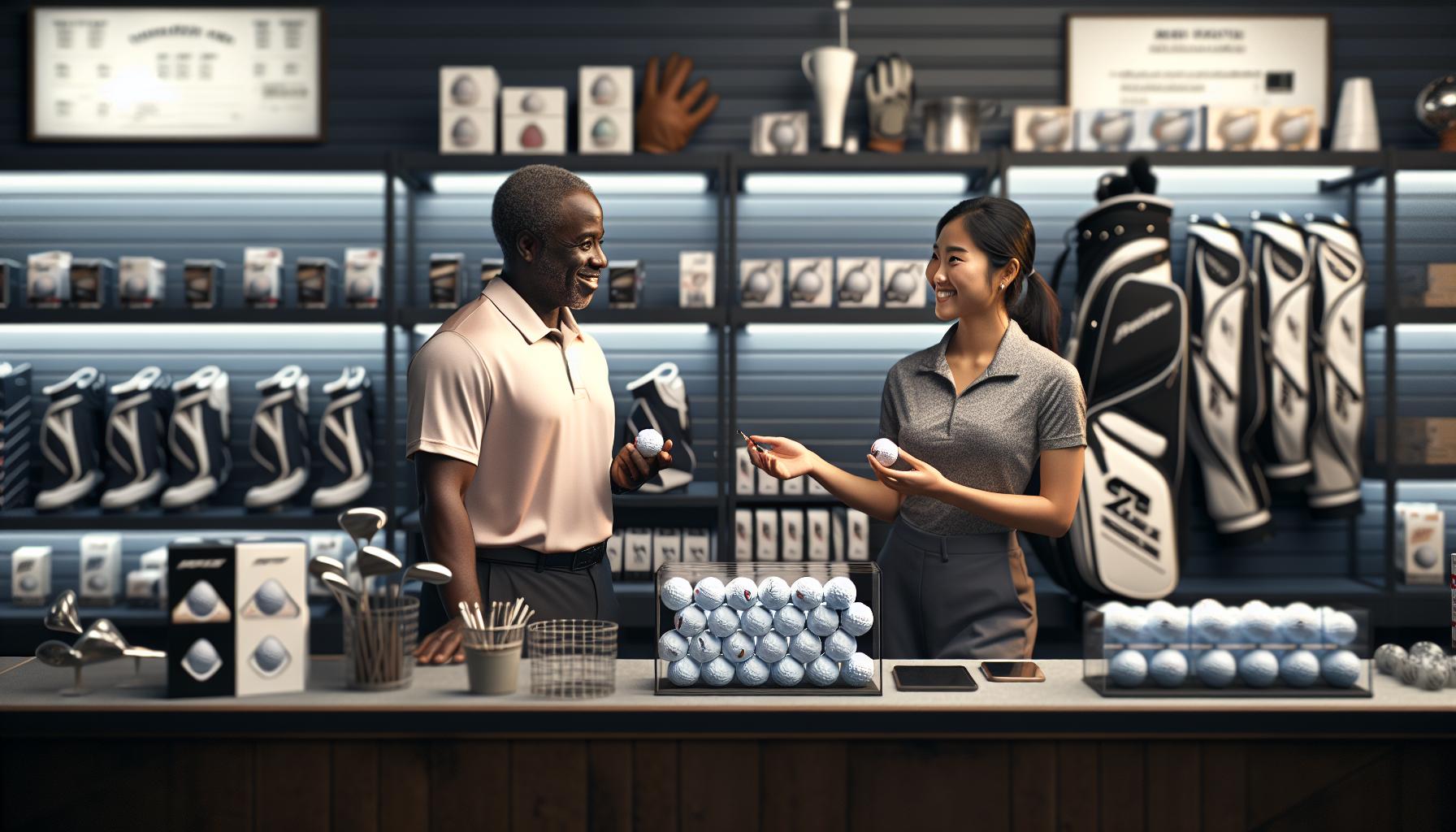
Finding golf balls that cater to your playing style and preferences is essential, and doing so locally opens up several opportunities to explore the latest technology and options firsthand. Local retailers often include specialized golf shops, large sporting goods chains, and pro shops affiliated with golf courses. Each of these venues can offer unique benefits, from knowledgeable staff to hands-on experiences with diverse product ranges.
When you walk into a dedicated golf shop, you can often access expert advice on the latest ball technologies tailored to various skill levels and playing conditions. For instance, local pros can guide you on selecting a golf ball that complements your swing speed and playing style, crucial for optimizing your game. Brands such as Titleist, Callaway, and TaylorMade usually have well-stocked displays in these shops, allowing you to feel the difference in materials and grip firsthand.
Additionally, sporting goods retailers such as Dick’s Sporting Goods or Academy Sports + Outdoors typically offer a broader selection that includes seasonal sales. These venues might feature a range of products, including lower-priced options, advanced multi-layer balls, or budget-friendly models that still perform well. Many of these stores also host events or fitting sessions, enabling you to test out different options to find what works best for you.
Lastly, local pro shops affiliated with golf courses not only sell golf balls but often provide a curated selection based on the course conditions and player feedback. This offers an additional layer of insight into what might work best on your home course. Engaging with your local golf community through clubs or participating in events can also provide recommendations on where to find the best deals in your area. Always ask about their latest inventory, demo days, or clearance sales to ensure you’re getting the best value for your investment in golf performance.
Best Online Stores for Golf Balls Delivery
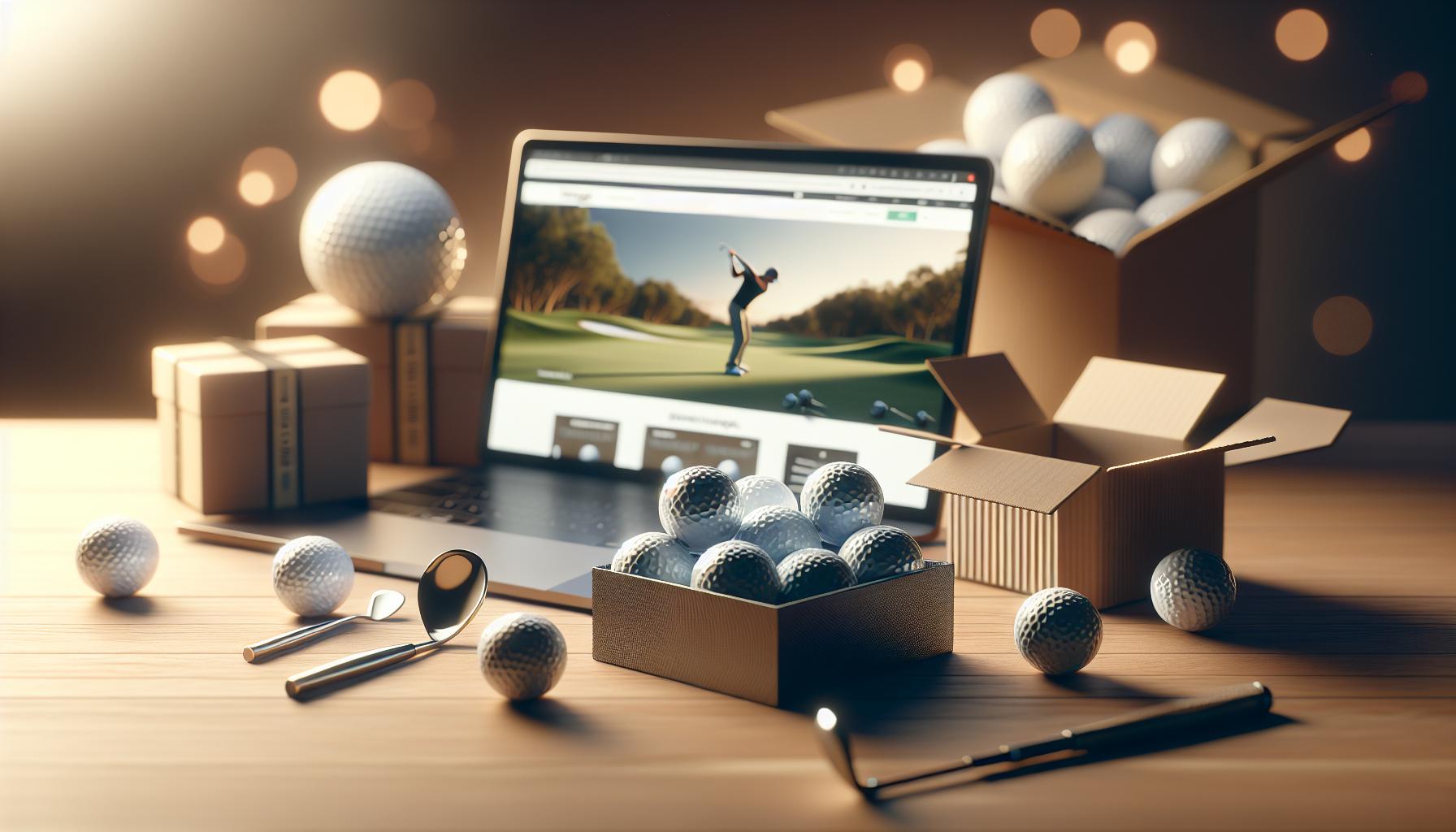
When it comes to purchasing golf balls online, convenience and a wide selection are paramount. The best online stores not only offer competitive pricing but also feature various brands and types of golf balls tailored to all skill levels. Whether you’re looking for the latest technology or classic options, online shopping provides access to plenty of choices right from your home.
One of the top places to consider for your online golf ball shopping is Austad’s Golf. They provide a diverse assortment of both performance and recreational golf balls, featuring popular brands like Callaway and Srixon. Their emphasis on quality, such as the Callaway Supersoft Golf Balls and Srixon Z-Star XV, ensures golfers can find models that meet their specific needs. Furthermore, shopping through their site makes it easy to compare product features, ball construction, and performance characteristics.
Another excellent option is Golf Discount, which hosts an extensive selection of performance golf balls from leading manufacturers like Titleist, Bridgestone, and TaylorMade. Their user-friendly interface allows you to filter products based on preferences, such as compression rating and construction type, helping you to quickly identify the ideal balls for your game. With regular promotions and a clear shipping policy, Golf Discount stands out as a cost-effective solution for purchasing golf balls.
If you’re looking for budget-friendly alternatives, Lost Golf Balls offers remarkable deals on both used and new models, often at discounts of 50-80% off retail prices. This is particularly beneficial for casual golfers who want quality without breaking the bank. By checking their clearance section, you can sometimes find high-end balls at a fraction of the usual price, making it a smart choice for value-driven shopping.
By leveraging these online resources, golfers can expect not only an extensive range of options but also valuable insights through product reviews, comparisons, and detailed specifications. With such tools at your disposal, you can make informed decisions that enhance your golfing performance, regardless of your level of play.
Factors to Consider When Buying Golf Balls
Choosing the right golf ball can significantly impact your game, but with the myriad of options available, it can be daunting. To optimize your purchasing decision, consider several key factors:
First and foremost, pay attention to compression ratings. Golf balls come with varying compression levels, typically categorized as low, medium, and high. Low-compression balls (below 70) are often recommended for beginners and slower swing speeds due to their softer feel and ability to enhance distance. In contrast, high-compression balls (over 90) suit players with faster swings, providing better control and spin. Understanding your swing speed can guide you toward the ideal compression for your play style.
Equally important is the ball’s construction. Most golf balls fall into two categories: two-piece and multi-layer. Two-piece balls, consisting of a solid core and a durable outer cover, tend to offer excellent distance and durability, making them great for recreational players. Multi-layer balls typically feature a core with multiple layers designed for advanced spin control and feel, catering to skilled players who require nuanced performance around the greens. For example, the Titleist Pro V1 is a popular multi-layer ball known for its soft feel and exceptional control, ideal for lower-handicap golfers.
Additionally, consider the cover material. Surlyn covers, found on most two-piece balls, provide durability and reduce cuts, making them excellent for practice rounds. However, softer urethane covers offer more spin and better green-side control, which is essential for advanced players looking to shape their shots. Selecting the right cover material based on how you play can enhance both performance and durability.
Finally, be mindful of your playing conditions. Windy days may call for a lower spinning ball to reduce side spin, while a calm day might give you the freedom to choose a softer, higher-spinning option for additional control. Keeping these factors in mind will not only streamline your selection process but also empower you to find the perfect golf ball that aligns with your game.
Understanding Different Types of Golf Balls

When it comes to selecting the right golf ball, understanding the different types available is crucial for enhancing your performance on the course. Golf balls can broadly be categorized into two primary types: two-piece and multi-layer balls, each offering distinct characteristics that cater to various skill levels and playing styles.
Two-piece balls are typically recognized for their durability and distance. They consist of a solid rubber core enveloped in a tough outer cover, usually made of Surlyn. This construction allows for increased bounce and reduced spin, making them ideal for recreational golfers who prioritize distance over control. If you’re a beginner or a player with a slower swing speed, two-piece balls can help maximize your distance off the tee due to their low compression, often rated below 70.
In contrast, multi-layer balls, such as the popular Titleist Pro V1 or Callaway Chrome Soft, are engineered for more experienced players who demand precision and control. These balls feature a complex construction of multiple layers that interact during the shot, allowing for optimized spin rates and feel around the greens. The multi-layer design means that golfers can experience enhanced performance in terms of workability and shot shaping, catering to those who need nuanced control for a variety of course conditions.
The cover material is another key factor when distinguishing between ball types. While most two-piece balls utilize a durable Surlyn cover, advanced golfers often prefer a softer urethane cover, which allows for greater spin control and responsiveness on approach shots. Understanding these differences empowers you to choose a ball that not only suits your skill level but also aligns with your playing style, ultimately enhancing your game.
To make a more informed decision, consider participating in local demo days at golf retail locations or examining comparison charts available on websites like Golf Galaxy, where you can evaluate different models based on features and performance metrics [[1]]. Ultimately, the right choice depends on your skill level, swing characteristics, and the specific demands of your course, ensuring that your golf ball contributes positively to your overall performance.
Comparison of Popular Golf Ball Brands
When navigating the landscape of golf balls, understanding the nuances among popular brands can significantly influence your performance on the course. Each brand offers a variety of models, tailored to different skill levels and playing styles, making it essential to compare their features and technologies.
Titleist consistently leads the market with its Pro V1 and Pro V1x models, celebrated for their exceptional distance, feel, and spin control. The Pro V1, with its three-piece construction and urethane cover, provides a soft feel along with unparalleled greenside control, ideal for lower-handicap players. In contrast, the Pro V1x delivers a slightly firmer feel and higher launch, appealing to golfers seeking more distance without sacrificing performance around the greens. Many players cite these models as their go-to options for competitive play, reflecting Titleist’s reputation for quality and consistency.
Callaway’s Chrome Soft and Supersoft series cater to players who prioritize a balance between softness and distance. The Chrome Soft’s dual-core construction enhances speed while maintaining a soft feel, making it a favorite among mid to low handicappers. Its urethane cover provides excellent spin control, crucial for precise shots on the green. Conversely, the Supersoft features lower compression at 38, making it one of the softest balls on the market-ideal for beginners or those with slower swing speeds looking to maximize distance.
For golfers on a budget, Srixon offers remarkable options like the Z-Star and Q-Star. The Z-Star, favored by many professionals, boasts advanced technology for low spin off the driver and high spin around the greens. The Q-Star, designed for golfers seeking a soft feel and added distance, provides a great balance for recreational players who want performance without breaking the bank.
To make an informed choice, consider utilizing comparison charts from online resources such as Golf Galaxy or Vice Golf. These platforms allow you to evaluate key aspects such as compression ratings, spin characteristics, and cover materials. Always consider how each model aligns with your playing style, skill level, and specific course conditions to truly maximize your game.
Golf Ball Pricing: What to Expect
Understanding the price range of golf balls can greatly enhance your purchasing decisions, ensuring that you find the right match for your game and budget. Generally, golf ball pricing varies widely based on factors such as brand reputation, technology, and design features. On average, you can expect to pay anywhere from $20 to $60 for a dozen premium golf balls. For example, Titleist’s top models-the Pro V1 and Pro V1x-often retail around $50-$60 per dozen, reflecting their performance-driven design and popularity among serious golfers.
In contrast, more budget-friendly options, such as Srixon Q-Star or Callaway Supersoft, generally range from $20 to $30 per dozen. These balls are engineered to provide good distance and reasonable control without breaking the bank, making them ideal choices for recreational players or those just starting. The cost of less performance-focused or practice balls can dip as low as $15 per dozen, but keep in mind that while these may be economical, they often lack the advanced features that enhance performance on the course.
When evaluating the pricing structure, consider that higher-priced balls usually come with advanced technological benefits, including multi-layer constructions, enhanced aerodynamics, and specialized cover materials that can improve spin, distance, and control. For instance, Callaway’s Chrome Soft, which is priced around $40-$50 per dozen, features a dual-core design that optimizes speed and spin for low handicap players.
Moreover, it’s beneficial to keep an eye out for sales and promotional offers. Retailers like Golf Galaxy and Golf Discount frequently have discounts on golf balls, especially when purchasing in bulk or during season-end sales. Utilizing resources that specialize in golf equipment can help navigate pricing and provide access to exclusive deals, allowing golfers to stock up without overspending. Being strategic about your golf ball purchases not only enhances your game but also helps manage your overall golf budget effectively.
Where to Buy Discounted Golf Balls
Finding high-quality golf balls at discounted prices can significantly enhance your golfing experience without straining your wallet. Many golfers often overlook the potential savings available through various retailers, whether online or at local stores. Strategic shopping can yield substantial discounts on both new and used golf balls, allowing players to invest more resources into their game rather than their equipment.
One of the most reliable sources for discounted golf balls is dedicated online retailers like LostGolfBalls.com and Golf Galaxy. These retailers frequently offer sales that provide discounts of 50-80% off retail prices, especially on used balls that still offer excellent performance. At LostGolfBalls.com, for example, you can find brands like Titleist and Callaway at a fraction of the cost. This site is particularly useful for golfers looking to purchase bulk quantities without compromising on quality. Moreover, Golf Galaxy often runs promotional deals where you might find a dozen premium golf balls at reduced prices, especially during seasonal events. Always check their clearance sections-these often include top brands with limited-time offers that are too good to pass up.
Local golf shops and big box retailers, such as Dick’s Sporting Goods or Academy Sports + Outdoors, can also be great places to look for marked-down golf balls. These stores typically have clearance racks or special buying events, especially at the end of seasons when they need to clear out inventory. Additionally, asking staff about upcoming discounts or promotions can sometimes lead to exclusive offers-don’t hesitate to inquire!
Tips for Finding Discounted Golf Balls:
- Sign up for newsletters from online retailers to receive notifications about sales.
- Use price comparison tools to find the best deals across multiple platforms.
- Look for seasonal sales, such as back-to-school or holiday discounts.
- Visit local golf courses to check for leftover inventory or used balls for sale.
By exploring these avenues, you can enhance your golf ball collection affordably, ensuring that you have the right equipment for any game situation while maintaining your budget. The right research and timing can lead to substantial savings, allowing you to focus on improving your game rather than worrying about the costs of equipment.
Evaluating Used Golf Balls: Pros and Cons
The allure of used golf balls is undeniable, particularly for golfers keen on cost savings without sacrificing performance. Research indicates that purchasing used golf balls can save players up to 80% compared to new models, making it a practical choice for budget-conscious enthusiasts. However, it’s essential to evaluate the pros and cons associated with these options to make informed decisions that align with your golfing needs and expectations.
On the upside, used golf balls often retain much of their original performance, especially premium brands like Titleist or Callaway. Many of these balls are retrieved from water hazards or collected from courses, cleaned, and graded based on their condition. High-quality used balls may still deliver excellent distance, feel, and spin, which is particularly beneficial for practice rounds or casual play. Additionally, the reduced cost allows golfers to try different models and brands that they might hesitate to purchase new, paving the way for personal experimentation and discovery of what truly suits their game.
However, there are notable downsides to consider. Variability in condition is inherent with used golf balls. Depending on their grade-ranging from “mint” to “recycled”-they may exhibit surface stains, minor dings, or degraded cover materials, which could impact performance. Furthermore, the unpredictability of performance based on the ball’s previous usage can be a gamble; a ball that feels good in one round may not perform the same in another. This inconsistency can be detrimental, particularly for golfers looking to optimize their game.
When evaluating used options, examine key specifications such as compression rating and construction. For instance, lower compression balls are generally more forgiving and provide better distance for slower swing speeds, while higher compression models cater to players with faster swings looking for control and spin. Always check for brands that maintain similar performance characteristics to your preferred ball models, even in their used variants.
Incorporating used golf balls into your game can be a strategic move, but it’s essential to weigh the savings against potential performance trade-offs. By focusing on reputable sources and understanding specific technical aspects, golfers can make informed purchases that enhance their experience without breaking the bank.
The Impact of Golf Ball Technology on Performance
The evolution of golf ball technology has fundamentally transformed how players of all skill levels approach the game. At the heart of modern performance is an understanding of how specific design elements affect ball behavior in various conditions. Advanced constructions that incorporate materials like urethane covers and multi-layer cores allow for enhanced control, increased distance, and improved spin rates, providing golfers with the tools needed to optimize their performance on the course.
One prime example of innovative technology is the dimple pattern utilized by companies like Polara Golf, which claims to reduce hooks and slices by as much as 75% through its patented design. This kind of advancement illustrates how focusing on aerodynamics can lead to more consistent shots, an essential factor for players seeking to improve their accuracy. Similarly, brands such as OnCore Golf emphasize their unique ball designs that cater to specific effects on spin and trajectory, allowing players to select a ball that aligns closely with their playing style and swing characteristics.
When considering the implications of ball technology, it’s crucial to evaluate compression ratings and construction. Lower compression balls are generally more suitable for players with slower swing speeds, as they launch higher and produce greater distance without sacrificing feel. Conversely, higher compression options cater to faster swings, enabling better precision and advanced control for skilled golfers. This tailored approach ensures that as you shop locally or online, you select a ball that not only fits your performance needs but also complements your golf game.
In practical terms, when you decide where to purchase golf balls – be it through a local retailer or an online store – always take the time to explore the latest offerings from various brands. For instance, while Titleist and Callaway are hallmarks of premium performance, brands like Attomax are making significant strides with technologies that convert collision energy into kinetic energy, which can lead to enhanced distance and accuracy. Integrating ball technology into your buying decisions can maximize your potential on the course, ensuring that each shot you take is backed by the best available innovations in golf ball design.
Tips for Choosing the Right Golf Ball for Your Game
Choosing the right golf ball can significantly impact your performance on the course, making it essential to consider several factors that align with your playing style and skill level. A first step in your selection process involves understanding your swing speed. Generally, lower compression balls benefit players with slower swing speeds by providing greater distance and a softer feel, while higher compression balls cater to faster swings, offering increased control. For example, a golfer with a swing speed under 85 mph might favor a golf ball like the Srixon Q-Star, known for its softer feel and increased forgiveness.
Next, consider the cover material of the golf ball. Urethane-covered balls, such as the Titleist Pro V1, offer enhanced spin and control around the greens, making them ideal for low-handicap players seeking precision. Conversely, ionomer-covered balls, like the Callaway Supersoft, typically provide increased distance and are more suitable for beginners or high-handicap players who prioritize consistency over spin control. Additionally, players should also examine their typical course conditions. If you frequently play in windy areas, a ball with a lower ball flight, such as the TaylorMade TP5x, can help mitigate the wind’s effects.
It’s also advisable to engage in a ball fitting session, available at many local pro shops or retailers, where you can test various models in real playing conditions. This hands-on experience allows you to assess how each ball feels during putting and chipping, ultimately contributing to improved confidence on the course. Many manufacturers also provide online fitting tools, such as Titleist’s golf ball selection tool, to suggest suitable models based on your swing speed and preferences [[2]].
Understanding the various factors at play and staying consistent with your chosen ball will not only enhance your enjoyment of the game but could also lower your scores, transforming your overall golfing experience. Keep track of your performance metrics with different balls and adjust your selection as needed, ensuring that you maintain focus on how well the ball complements your playstyle and conditions you face regularly.
Storing and Maintaining Your Golf Balls for Longevity
Proper care and storage of golf balls can extend their lifespan and maintain optimal performance, making this an essential aspect for any golfer. Golf balls are engineered for precision and performance, and external factors can significantly impact their condition. Here are some guidelines to help you store and maintain your golf balls effectively.
To begin with, store your golf balls in a cool, dry place. Extreme temperatures, particularly heat, can affect the core materials and overall performance of the ball. The ideal storage temperature is around 70°F (21°C). Avoid leaving them in your car or in direct sunlight, as prolonged exposure can lead to deterioration of the ball’s cover and performance attributes.
When it comes to cleaning, regularly wipe your golf balls with a damp cloth to remove dirt and debris, particularly after playing. This practice helps maintain the ball’s surface texture, which is crucial for aerodynamics and control. For deeper cleaning, use a mild soap solution and a soft brush to cleanse the grooves and dimple patterns, enhancing both grip and distance effectiveness during your next round.
Lastly, consider the storage method that best suits your needs. Golf ball containers or dedicated storage boxes can help keep your golf balls organized and protected from physical damage. Ensure the balls are arranged in such a way that they don’t collide, as impacts can lead to internal damage that isn’t immediately visible. If you have a mix of used and new balls, consider separately storing them to easily access the right ball for your skill level and the specific conditions of your game.
Incorporating these practices into your routine not only optimizes the performance of your golf balls but also contributes to lower scores and increased enjoyment on the course. Taking the time to care for your equipment reflects a commitment to the game and an understanding of the technologies that enhance performance.
Q&A
Q: Where can I find golf balls for sale nearby?
A: You can find golf balls for sale at local sporting goods stores, golf pro shops, and retail giants like Walmart or Dick’s Sporting Goods. Check inventory availability online or call ahead to ensure they have the specific type of ball you need.
Q: What are the best online platforms to buy golf balls?
A: Online platforms like Amazon, eBay, and dedicated sites such as Golf Galaxy and Callaway offer extensive selections of golf balls. Read customer reviews and compare prices to secure the best deals and ensure quality.
Q: Are there benefits to buying golf balls online versus in-store?
A: Yes, buying online often provides a wider selection, competitive pricing, and convenience. Online retailers frequently offer deeper discounts and options for home delivery, which can save you time. However, in-store shopping allows you to ask questions and feel the balls before purchasing.
Q: How can I save money when purchasing golf balls?
A: To save money on golf balls, consider buying in bulk, searching for discounts through online retailers, or checking out clearance sections at local sporting goods stores. Utilizing coupons and seasonal sales can also lead to significant savings.
Q: Can I buy used golf balls locally?
A: Yes, many golf shops and sporting goods stores sell used golf balls at a fraction of the price of new ones. Additionally, online platforms like eBay often have sellers offering bundles of used balls, which can be a cost-effective option for practice.
Q: What should I consider before buying golf balls online?
A: Before buying golf balls online, consider factors like your skill level, playing style, and budget. Ensure you read product descriptions for construction details and performance ratings. Comparing shipping costs and return policies is also important for a satisfactory purchase experience.
Q: When is the best time to buy golf balls for the lowest prices?
A: The best time to buy golf balls at lower prices is during off-seasons, such as late fall to early spring, when retailers often have clearance sales. Additionally, shopping during holiday sales and Black Friday can lead to significant discounts.
Q: How can I determine the right golf ball for my game?
A: To determine the right golf ball for your game, consider factors like your swing speed, whether you need more spin or distance, and your budget. Experimenting with different brands can help you find a ball that complements your playing style; refer to the section on “Tips for Choosing the Right Golf Ball for Your Game” for more insights.
In Retrospect
Now that you’re equipped with the knowledge of where to buy golf balls both locally and online, it’s time to elevate your performance on the course. Remember, choosing the right golf ball can significantly impact your game, so don’t hesitate! Explore local golf shops or trusted online retailers today to find the perfect fit for your style.
For more insights, check out our guide on “Choosing the Right Golf Ball for Your Game” and explore the latest trends in “Golf Ball Technology.” Signing up for our newsletter ensures you stay updated on the best deals and expert advice tailored just for you. If you have any questions or want to share your experiences with different golf balls, drop a comment below-let’s keep the conversation going! Your perfect round awaits!