

Did you know that the performance of a golf ball can significantly influence your game, from distance to control? Understanding what golf balls are made of-ranging from core materials to outer covers-can empower you to choose the right ball for your skill level and playing style.
In the ever-evolving world of golf technology, every layer of a golf ball is designed to optimize performance, offering varying degrees of spin, launch angles, and feel. Whether you’re a seasoned golfer or just starting, knowing the intricacies of golf ball construction will not only enhance your overall experience on the course but also help you make informed decisions when selecting your next favorite ball.
Dive deeper into the fascinating world of golf ball technology as we uncover the materials and design innovations that can transform your game. Your ideal golf experience is just a swing away!
What Materials Are Golf Balls Made From?
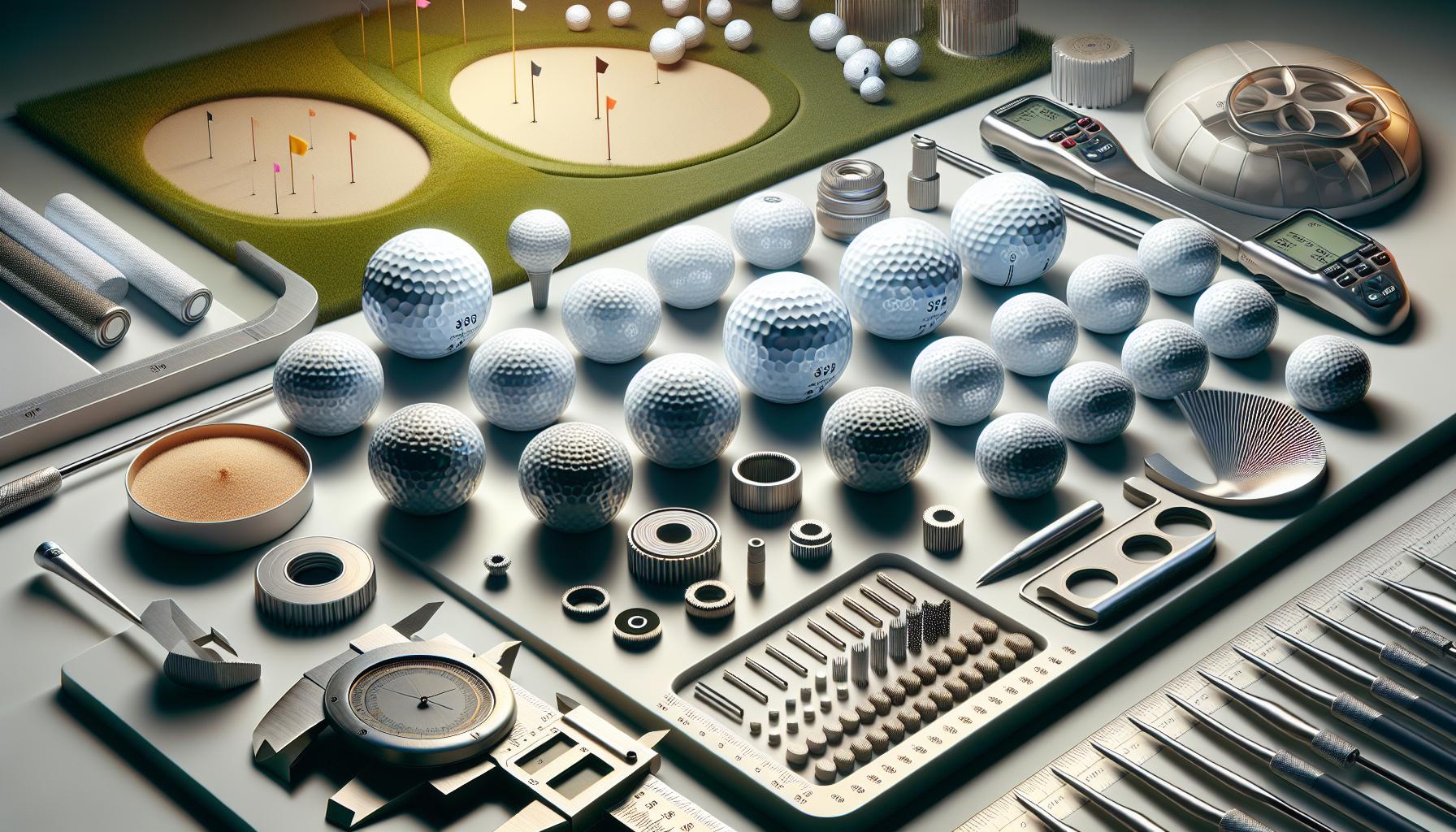
Golf balls are intricately designed and constructed from a variety of materials, each contributing to the ball’s performance, feel, and durability on the course. At the most fundamental level, a golf ball typically consists of three main components: the core, the cover, and the inner layers. The composition of these elements plays a crucial role in determining how the ball behaves during play.
The core of a golf ball is primarily made from rubber or a synthetic compound, which is engineered to provide a specific compression rating. This rating influences how the ball reacts to different swing speeds; lower compression balls are ideal for slower swing speeds as they provide more distance and a softer feel, while higher compression balls tend to suit faster swings, allowing for greater control and feel on impact. The core can also feature multiple layers, which enhance the performance characteristics, such as distance and spin rates.
Moving to the cover, this is often composed of either Surlyn or urethane. Surlyn, a type of ionomer resin, is known for its durability and resistance to cuts, making it a popular choice for recreational golfers who prioritize longevity. Conversely, urethane covers are favored by more advanced players due to their superior ability to spin on approach shots and around the greens, offering a softer feel and greater control. The choice between these materials significantly affects the overall performance of the golf ball and how it interacts with the clubface.
Finally, while many golfers may overlook the importance of dimples, they are crucial in enhancing the ball’s aerodynamics. The dimple pattern affects lift and drag, allowing the ball to maintain speed and stability in the air. A well-designed dimple pattern can result in longer flights and better overall performance.
In conclusion, understanding the materials that golf balls are made from is essential for making informed decisions when selecting the right ball for your game. By considering factors such as core composition, cover material, and dimple design, players can optimize their equipment to fit their individual skill levels and playing styles, ultimately enhancing their performance on the course.
Understanding Golf Ball Construction Technology

Golf balls may seem straightforward, but their construction involves an impressive synthesis of technology and material science that significantly impacts performance on the course. When discussing golf ball construction technology, understanding each layer’s role-from the core to the cover-becomes essential for any golfer looking to enhance their game.
The core serves as the heart of the golf ball, with its material composition directly influencing aspects like compression and distance. Most modern golf balls feature rubber or specialized synthetic compounds, designed to cater to different swing speeds and player preferences. Lower compression balls, typically with ratings below 75, compress more easily under slower swings, providing greater distance and a softer feel. Conversely, higher compression balls, often rated above 90, are engineered for faster swing speeds, delivering enhanced control and feel on impact. Multi-layer cores, such as those found in premium models like the Titleist Pro V1 or TaylorMade TP5, incorporate varying materials to optimize ball flight and spin, making them popular choices among advanced players.
The Role of the Cover
The ball cover plays a pivotal role in how the ball performs on the course. Commonly made of Surlyn or urethane, these materials dictate how the ball interacts with the clubface and its overall feel. Surlyn covers, known for their durability and cut resistance, are well-suited for casual golfers and those who prioritize longevity in their equipment. On the other hand, urethane covers provide superior spin control, making them ideal for skilled players who need precision around the greens. Popular models like the Callaway Chrome Soft utilize urethane to enhance performance, proving why cover material is critical in choosing a ball that fits your game style.
Dimples and Aerodynamics
Another fascinating component of golf ball technology revolves around the dimple pattern. Dimples enhance the aerodynamics of the ball, affecting how it travels through the air. The design of these dimples reduces drag and increases lift, allowing the ball to achieve longer distances and improved stability. For example, a well-engineered dimple pattern can lead to a greater distance achieved on drives, as seen in balls like the Bridgestone Tour B series. Additionally, adjusting the size and depth of the dimples can influence ball performance under various conditions, giving players more options to tailor their play.
Understanding the nuances of golf ball construction enables players to make informed selections based on their unique skills and preferences. Factors such as compression ratings, core materials, cover choices, and the effects of dimples can guide golfers in finding the right equipment to maximize their performance. With advancements in technology continually shaping golf ball design, staying informed allows players to adapt their choices and elevate their game on the fairway.
Key Performance Factors of Golf Ball Design
A golf ball’s design is a meticulous blend of art and science, where each component significantly influences performance and feel. There are several key performance factors that every golfer should understand to make the right choice for their game. These factors include construction type, material selection, firmness, and overall design characteristics.
One major decision revolves around the construction of the golf ball itself. Balls can be classified as two-piece, three-piece, or multi-layered constructions. Two-piece balls typically feature a solid core and a durable cover, making them ideal for beginners due to their resilience and distance capability. Three-piece balls, on the other hand, incorporate a liquid or rubber core with an added mantle layer, enhancing spin control without sacrificing distance. For seasoned players, multi-layered constructions, such as those found in premium balls like the Titleist Pro V1, allow for greater customization in spin and ball flight, catering to specific playing styles.
Material choice is equally crucial. Modern golf balls utilize advanced materials that significantly affect a ball’s performance. For instance, the inner core often employs proprietary rubber blends designed to optimize energy transfer at impact, enabling longer distances. Conversely, covers made from urethane or Surlyn influence spin and feel: urethane covers provide more spin control, essential for short games, while Surlyn offers durability for high-volume play. Understanding the material dynamics can help players choose a ball that enhances their strengths while compensating for weaknesses.
Another vital aspect of golf ball performance is compression, which refers to how much the ball deforms upon impact. A ball’s compression rating can range from under 60 (soft) to over 90 (firm). Lower compression balls are generally better suited for golfers with slower swing speeds, as they compress more easily to maximize distance. In contrast, higher compression balls cater to players with faster swings, providing enhanced control and feel.
To aid in selection, golfers might also consider personal testing. Try various brands and models, evaluating factors like distance, control, and feel on the greens. For example, the Callaway Chrome Soft and Bridgestone Tour B series are excellent options for players who prioritize both distance and greenside performance. Keeping track of performance metrics during practice can also guide you toward the ideal fit.
By understanding these performance factors, golfers can make educated decisions, ensuring their equipment matches their playing style and needs, ultimately leading to improved performance on the course.
The Role of Core Materials in Golf Ball Dynamics
The heart of a golf ball is its core, which plays a critical role in determining the ball’s performance dynamics. The core material is primarily responsible for how the ball interacts with the club upon impact, influencing both distance and feel. Most modern golf balls utilize specially formulated rubber compounds that optimize energy transfer, allowing golfers to achieve maximum distance. For instance, a high-energy core can help propel the ball off the tee with impressive velocity, making it an essential element for distance-focused players.
Types of Core Materials: Golf ball cores generally fall into three categories: solid, liquid, or polymer blends. Solid cores are common in two-piece balls, providing durability and distance, which makes them suitable for beginners. In contrast, three-piece and multi-layer balls often feature softer cores that compress more effectively on impact, allowing for greater control and spin-this is especially advantageous for players who prioritize precision in their short game.
Core Compression Impact
The compression rating of a core significantly influences its performance traits. Balls with lower compression ratings (below 70) tend to be softer, making them ideal for golfers with slower swing speeds as they compress more easily, maximizing distance. Conversely, higher compression balls (above 90) provide more feedback and control, catering to players with faster swings. For example, the Srixon Z-STAR series offers varied compression levels that cater to different swing types, helping players select a ball that complements their individual playing style.
In conclusion, understanding the core materials and their implications on performance can guide golfers in selecting the right ball. Whether seeking distance, control, or enhanced feel, choosing the appropriate core material based on one’s swing speed and playing style is vital for optimizing on-course performance. Many golfers find it beneficial to test different options, such as those from brands like Titleist or TaylorMade, to identify which core composition aligns best with their game. This personalized approach allows for improved performance and enjoyment on the course.
Exploring Cover Materials: Surlyn vs. Urethane
The choice of cover material significantly impacts a golf ball’s performance, influencing feel, spin, and durability. At the forefront of this discussion are the two primary materials used in golf ball covers: Surlyn and urethane. Understanding their distinct characteristics can help golfers tailor their equipment selection to improve their game.
Surlyn is a popular cover material known for its durability and resistance to scratches and cuts. Typically associated with two-piece golf balls, it offers a firmer feel at impact, which translates to greater distance and lower spin on longer shots. Golfers who prioritize durability and are looking for a cost-effective option tend to favor Surlyn-covered balls. For instance, models like the Titleist NXT Tour utilize Surlyn for players seeking a balance of distance and durability without sacrificing too much on feel.
On the other hand, urethane is often favored by more skilled golfers who demand enhanced control and precision, especially around the greens. This material has a softer feel, allowing for greater spin control on short shots, which can lead to more accurate placement and stopping power on the greens. Urethane covers can contribute significantly to a golf ball’s overall performance, particularly in the short game. The TaylorMade TP5, for example, features a urethane cover that provides exceptional grip and feedback, making it a top choice for players who want to maximize their scoring potential.
Ultimately, the decision between Surlyn and urethane often comes down to individual player needs and skill level. New golfers may find Surlyn balls more forgiving and easier to handle, while advanced players typically lean towards urethane for its superior feel and control. When testing out different golf balls, golfers should pay attention to how each cover material interacts with their swing and style of play to select the right fit.
The Importance of Dimples: Aerodynamics in Golf Balls
The design of golf balls features a critical component that significantly affects their flight and performance: the dimples. These small, aerodynamic indentations on the ball’s surface are far more than just a stylistic choice; they play a pivotal role in reducing drag and enhancing lift during flight. Interestingly, a smooth ball would create a turbulent layer of air that increases drag, causing it to fall quickly. In contrast, the dimples modify the airflow around the ball, promoting a smoother transition from turbulent to laminar flow, which optimizes distance and accuracy.
The specific configuration of dimples varies across different models, influencing performance characteristics. Golf balls are typically designed with anywhere from 300 to 500 dimples, each with varying shapes, sizes, and depths. A study conducted by golf manufacturers revealed that shallower, wider dimples tend to produce more lift, while deeper, narrower dimples tend to offer better penetration through the air. For instance, balls like the Titleist Pro V1 feature a unique dimple design that provides enhanced aerodynamics and control, making it a favorite among professional golfers.
Another compelling factor related to dimples is their impact on spin. The depth and pattern of the dimples can affect how much backspin or sidespin a golfer generates. Higher spin rates can lead to better control, especially for short game shots when a player needs precise placement. Golfers can experiment with various dimple patterns to find the perfect fit for their game, particularly when selecting balls aimed at improving performance in windy conditions or on certain course types.
Understanding the dynamics of dimples is essential for golfers at all skill levels. By considering how dimples can influence factors like lift, drag, and spin, players can make more informed decisions when selecting the right golf ball to optimize their performance on the course. Furthermore, testing different golf balls and paying attention to how they interact with varying playing conditions can foster skill development and enhance overall game strategy, ultimately leading to improved results.
How Golf Ball Compression Affects Performance
The performance of a golf ball is significantly influenced by its compression, which is a measure of how much the ball deforms when struck by a clubface. Compression ratings typically range from around 40 to 110, indicating how soft or firm a ball feels upon impact. A lower compression ball, rated in the 40s to 60s, is ideal for players with slower swing speeds as it allows for easier deflection and a higher launch, facilitating greater distance. Conversely, higher compression balls, rated above 80, require faster swings to achieve optimal results, offering enhanced control and distance for experienced players.
Understanding how compression affects performance is crucial for players aiming to improve their game. A good practice is to assess your swing speed: golfers with swing speeds below 85 mph will likely benefit from soft, low-compression balls like the Callaway Supersoft or the Srixon Soft Feel, both designed for maximum distance with lower swing speeds. Meanwhile, players with swing speeds exceeding 95 mph can take advantage of higher compression options, such as the Titleist Pro V1, which promotes better spin control and precision on approach shots.
When selecting a golf ball based on compression, consider not only your swing speed but also your playing style and course conditions. For example, players who prefer a softer feel for feel around the greens might gravitate towards lower compression balls, while those seeking greater distance off the tee may find higher compression balls more beneficial. Try experimenting with several models to identify how different compression levels enhance your game.
In addition to swing speed and feel preference, it’s vital to consider how the ball’s material composition impacts performance. Balls with a firm core often lead to less deformation at impact, translating to more speed, while softer cores provide a greater “feel” for delicate shots. The interplay between core and cover materials, coupled with compression, ultimately determines a golfer’s experience, making it essential to match these elements with individual playing characteristics for optimal performance on the course.
Looking at Golf Ball Inflation and Pressure
The inflation and pressure of golf balls play a crucial role in their performance, influencing the feel, distance, and control a golfer experiences. Unlike typical inflatable sports equipment, golf balls are engineered to maintain a specific internal pressure that optimizes their performance characteristics. The ideal pressure range typically hovers around 14 to 16 psi, lending to an optimal balance between firmness and responsiveness. A ball that is overly inflated may feel hard and unyielding, which can limit control and reduce spin, while one that is under-inflated can absorb too much impact energy, resulting in poor distance and diminished performance.
When considering golf ball pressure, it’s essential to recognize how different conditions can impact a ball’s inflation. Changes in temperature can affect air density and, subsequently, the pressure within the ball. For instance, a golf ball stored in a hot environment may feel firmer due to the increased internal pressure from the heated air. Conversely, cold conditions can lead to lower pressures, making the ball feel softer and impacting flight performance. Regularly checking and maintaining the pressure of your golf balls ensures consistent performance, especially if you’re playing in varied weather conditions.
To manage golf ball pressure effectively, consider employing a simple gauge designed for measuring psi specifically for golf balls. This allows you to achieve the ideal inflation levels before heading out to the course. When inflating, always refer to the manufacturer’s specifications regarding optimal pressure levels. Additionally, storing your golf balls in a cool, dry place can help maintain their intended pressure over time. By taking these proactive steps, golfers can optimize their equipment and ensure that their balls perform reliably during every round.
Ultimately, understanding the nuances of golf ball inflation and pressure not only enhances your playing experience but also allows you to align your equipment with your personal performance goals. As air pressure significantly impacts the interaction between the ball and the clubface, taking the time to monitor and adjust can lead to improved accuracy and distance on the course.
Comparing Popular Golf Ball Brands and Models
When it comes to golf balls, making the right choice can significantly impact your game. With varying constructions, materials, and performance characteristics, understanding the offerings from different brands can help you tailor your equipment to suit your playing style. Popular brands such as Titleist, Callaway, Bridgestone, and TaylorMade dominate the market, each offering unique technologies and models designed to enhance performance in specific aspects of the game.
Titleist Pro V1 and Pro V1x are staples among golfers who seek premium performance. Constructed with a soft urethane cover and a multi-layer core design, these balls provide excellent greenside control and distance. The Pro V1 typically has a lower compression rating (around 90), making it ideal for players with moderate swing speeds, while the Pro V1x offers a firmer feel and slightly higher launch due to its higher compression (around 100), making it popular among faster swingers.
On the other hand, Callaway’s Chrome Soft and Chrome Soft X have gained notable acclaim. The Chrome Soft is engineered for those who desire soft feel and low spin off the driver, thanks to its dual-core design and hexagonal dimple pattern that reduces drag. Meanwhile, the Chrome Soft X features a firmer cover and higher compression, appealing to players seeking increased distance without sacrificing feel around the greens.
Moving to Bridgestone, the e12 Contact ball stands out for its innovative “Contact Force Dimple” technology. This design enhances surface area contact with the clubface at impact, resulting in greater energy transfer and reduced side spin. This makes the e12 an excellent choice for mid to high handicap golfers looking to improve their accuracy and distance.
Finally, TaylorMade’s TP5 and TP5x line offers a unique five-layer construction intended to maximize performance versatility. The TP5 is known for its softer feel and optimal spin control, making it a favorite among players who prioritize greenside performance. In contrast, the TP5x is crafted for explosive distance and higher launch angles, appealing to those with faster swing speeds seeking an edge off the tee.
In summary, selecting the right golf ball involves understanding the nuances of construction and performance benefits tailored to your swing characteristics. Consider factors such as compression ratings, cover materials, and specific design technologies when comparing brands and models. Conducting on-course testing and experimenting with various options can lead you to the perfect ball for optimizing your game, ensuring you perform at your best on every round. Whether you are a seasoned player or newer to the game, identifying the right golf ball can be a game-changer, enhancing your overall experience on the course.
Selecting the Right Golf Ball for Your Skill Level
Choosing the ideal golf ball for your skill level can significantly enhance not just your performance on the course but also your overall enjoyment of the game. With an array of options available, understanding the nuances of golf ball technology and construction can lead you to make informed decisions that align with your abilities and goals.
Beginners typically benefit from using balls designed for distance and durability. Look for two-piece balls that feature a hard outer shell and a simpler core structure. These balls, such as the Top Flite XL Distance or Callaway SuperSoft, are less prone to scuffing, easier to hit straight, and provide a good compromise between feel and distance. Their lower compression ratings (generally around 70-80) help generate higher launch angles, making them more forgiving for players still developing their swing mechanics.
As golfers progress to an intermediate skill level, the need for enhanced spin and control around the greens becomes paramount. Here, you might explore three-piece balls, like the Srixon Q-Star or Bridgestone e6, which often incorporate a softer cover material like urethane. A three-piece construction allows for greater customization of ball performance, aiding in trajectory control and maximizing greenside spin while still providing excellent distance off the tee. Look for balls with compression ratings suited to your swing speed; an intermediate player might target 80-90 for optimal results.
Advanced players should focus on premium offerings that provide advanced performance features. Golf balls with a multilayer construction, such as the Titleist Pro V1 or TaylorMade TP5, often cost more but deliver superior control, distance, and spin characteristics. These balls are generally engineered with compression ratings of 90 or higher, beneficial for players with faster swing speeds seeking precise greenside control and exceptional distance. The complex layering of these balls aids in fine-tuning their behavior for different shots, catering to the nuances of a low handicap golfer’s game.
To select the right golf ball for your skill level effectively, consider factors such as swing speed, playing style, and personal preferences regarding feel and control. Conducting on-course tests, transitioning between different types of balls, and keeping track of performance feedback will also assist in identifying the ideal fit for your game. By selecting a golf ball tailored to your skill level, you can not only optimize your performance but also enjoy a more satisfying golfing experience.
Caring for Your Golf Balls: Maintenance Tips
Proper maintenance of your golf balls can significantly enhance their performance and extend their lifespan on the course. Many golfers overlook this aspect, yet simple care routines can keep your balls performing at their best. Regular cleaning not only removes dirt and debris but also helps preserve the materials that contribute to the ball’s performance characteristics.
To maintain your golf balls effectively, start by cleaning them after each round. Use a bucket of warm, soapy water-mild dish soap works well. Allow the balls to soak for a few minutes, which helps to loosen any grime. After soaking, use a soft-bristled brush or a dedicated golf ball cleaning tool to scrub away any remaining dirt, especially from the dimples, as they play a crucial role in aerodynamics and performance. Rinse the balls thoroughly with clean water and dry them with a soft cloth to prevent any soap residue from affecting their flight.
Storage is equally important. Avoid leaving your golf balls in extreme temperatures, as both heat and cold can alter the materials used in their construction. Ideally, store them in a cool, dry place and try to keep them away from direct sunlight. If you’re concerned about moisture, using a silica gel pack in your storage container can help absorb excess humidity. Keep in mind that excessive wear from hitting hard surfaces can damage the cover material, so choose a storage option that protects against impacts.
Another tip is to regularly check for scuffs or cuts on your golf balls, particularly if you notice a decrease in distance or flight stability. Minor abrasions might not affect performance significantly, but deeper cuts can alter the ball’s aerodynamics and cause unpredictable flight patterns. If a ball shows significant damage, it’s time to replace it. Remember, even seasoned players can benefit from regularly rotating their ball inventory to ensure optimal performance each time they play.
Maintaining your golf balls ensures that you maximize their performance features, from compression ratings that suit your swing speed to the right cover materials for feel and control. By investing a little time in care, you can enjoy the benefits of well-maintained equipment, enhancing both your game and your overall enjoyment on the course.
The Future of Golf Ball Technology and Innovations
The golf ball is on the brink of a significant transformation as manufacturers experiment with cutting-edge materials and innovative technologies. In the quest for better performance, today’s engineers are leveraging advanced compounds and design techniques to create balls that cater to various skill levels and playing conditions. The incorporation of multi-layer constructions, including changes in the core and cover materials, allows for a tailored approach to distance, control, and feel.
One of the forefront innovations includes the development of responsive core materials. For instance, advancements in elastomer technology have led to better energy transfer during impact, resulting in longer distances while maintaining softness for enhanced control around the greens. Brands like Titleist and Callaway are pioneering these dynamics, integrating high-energy cores that maximize performance without sacrificing the desirable feel golfers seek.
Moreover, cover materials like urethane continue to evolve. Increasingly, manufacturers are introducing dual-mantle designs, which help optimize spin rates and provide enhanced control. These innovations are particularly beneficial for players looking to improve their short game. Additionally, some companies are exploring novel materials that can combine the benefits of Surlyn’s durability with the premium feel of urethane, offering a possible hybrid solution that could revolutionize how golfers select their equipment.
Finally, the future of golf balls is not just about performance but also sustainability. Manufacturers are beginning to focus on eco-friendly materials, ensuring that their products are less harmful to the environment. As these initiatives continue, golfers may soon find options that are not only high performing but also align with their values regarding environmental responsibility. By keeping an eye on these trends, golfers can choose equipment that not only matches their skill level but also enhances their overall game while being mindful of the planet.
Q&A
Q: What materials are used to make golf balls?
A: Golf balls are typically made from a core of rubber or a rubber-like material, surrounded by layers of synthetic materials such as surlyn or urethane for the cover. The specific composition can vary depending on the desired performance characteristics, including spin, durability, and feel.
Q: How does the construction of golf balls affect their performance?
A: The construction of golf balls, including the number of layers and materials used, significantly influences their performance. A softer cover yields more spin and control, while a firmer core contributes to increased distance. Understanding these factors helps players choose the best ball for their style of play.
Q: What role do dimples play in golf ball design?
A: Dimples on a golf ball enhance aerodynamics by reducing drag and increasing lift during flight. This design allows for a more stable trajectory and greater distance. The configuration and depth of dimples can also affect spin rates and control, making them crucial for performance fidelity.
Q: Why is golf ball compression important?
A: Golf ball compression directly impacts how the ball feels at impact and its performance characteristics. Lower-compression balls are typically softer, providing more distance for slower swing speeds, while higher-compression balls deliver better control and spin for faster swings, making it essential to match compression to player abilities.
Q: How are golf balls tested for quality and performance?
A: Golf balls undergo rigorous testing for quality and performance, including measuring compression, resilience, and distance characteristics. Manufacturers often use advanced technology to simulate real-world conditions, ensuring each ball meets specified performance standards before reaching consumers.
Q: When should you replace your golf balls?
A: Replace your golf balls when you notice visible signs of wear, such as cuts, scrapes, or significant discoloration, as these can affect performance. Additionally, if your ball has lost its original feel or distance, it may be time to invest in new ones for optimal performance.
Q: What advancements are being made in golf ball technology?
A: Recent advancements in golf ball technology include improvements in material science, resulting in balls that provide enhanced durability, better feel, and increased control. Manufacturers are investing in research to innovate in areas such as aerodynamics, construction layering, and eco-friendly materials.
Q: How can you determine the right golf ball for your skill level?
A: To select the right golf ball for your skill level, consider factors like swing speed, play style, and course conditions. Beginners may benefit from lower compression, distance-focused balls, while advanced players may prefer higher-compression, spin-oriented models for greater control. Testing different balls can also aid in finding your optimal fit.
Wrapping Up
Understanding the composition of golf balls deepens your appreciation for the game’s technology and how it can impact your performance. By discerning the nuances between different materials-like urethane covers for spin and rubber cores for distance-you equip yourself to make informed decisions that directly affect your game. Are you ready to elevate your golfing experience? Explore our guides on selecting the best golf balls for your playing style and uncover tips for enhancing your overall performance on the course.
Before you go, download our free golf ball fitting guide to ensure your choice aligns with your unique needs. Interested in the latest advancements in golf technology? Check out our article on “The Best Golf Ball Brands in 2025” and join our community discussions on preferred gear. Remember, the right golf ball can change your game-don’t settle for less when every stroke counts. Share your thoughts below and let’s continue this conversation!